
Invitation: JOIN US SEPT 9, from 9am-3pm at the Zoo! We're proud to sponsor this year's Senior Day at the Detroit Zoo, along with our friends at Diversified Portfolios. It's Senior Day at the Zoo, for humans age 62+. There is no need to preregister. Just show up and enjoy the day! Free admission and parking for persons 62 + and bring one adult friend! Stop by and say hello at our table. Enjoy the Detroit Zoo at your own pace with a full day of wildlife, fresh air and community. Take in your favorite habitats including newly opened Discovery Trails and enjoy special activities designed to make the day even more fun. Presenting sponsor by Blue Cross Blue Shield of Michigan. Stop by and say hello at our table.
https://detroitzoo.org/events/senior-day-september/
Some of the best conversations start with a meaningful connection.
That was certainly true at a recent event hosted by Planned Giving Roundtable of Southeast Michigan at the Detroit Zoo, where I had the pleasure of presenting alongside Brad Sorenson, CFP®, of Diversified Portfolios Inc. Brad and I have known each other for most of our lives, allowing us to come together to create a meaningful presentation.
We called our presentation “Wise Giving: How Thoughtful Planning Creates Extraordinary Legacies,” but the day was about much more than charitable planning strategies. It was about bringing people together, sharing ideas and having meaningful conversations about the things that matter most to us.
And what better place to do that than the zoo?
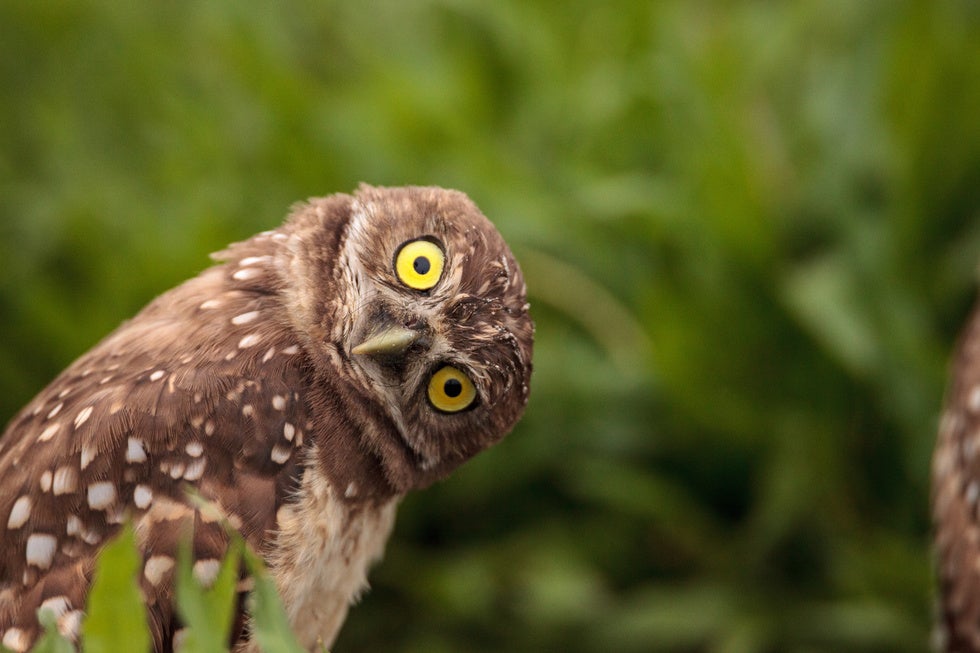
Before the presentation, Brad and I each had the opportunity to participate in the Zoo's animal adoption program. I adopted a burrowing owl—a particularly fitting choice for me as an estate planning attorney. The owl is also the mascot of our law firm, representing wisdom, insight and the art of listening. I was hoping to catch a glimpse of one after our presentation in the Zoo's Discovery Trails habitat.
Brad, meanwhile, shared his affection for one of the Zoo's biggest crowd-pleasers, the polar bear, but adopted Pebbles the goat as part of our “Wise Giving” theme. Goats, it turns out, have a rich history and are considered highly intelligent animals. Who knew? Brad was also hoping for the chance to brush Pebbles in the Goat Encounter Yard later that afternoon.
Those small connections to the animals turned out to be a perfect introduction to our larger message.
Every Charitable Gift Tells a Story
When we think about charitable giving, it is easy to jump immediately to the financial questions.
How much should I give? Which assets should I use? What are the tax implications?
Those questions can certainly be important. But I believe the most meaningful planning starts somewhere else.
It starts with purpose.
What do you care about? What experiences have shaped your life? What organizations or causes reflect your values? And what kind of impact do you hope to have on your family, your community and the world around you?
Every charitable gift tells a story, but the most meaningful legacies are rarely created by chance.
Thoughtful planning begins by understanding your personal values, life goals and priorities. Only then can you begin to consider the best way to turn those intentions into a lasting plan.
Start with Your Goals
There is no one-size-fits-all approach to charitable giving.
For some people, making an impact during their lifetime is most important. Others want to create a legacy that continues after they are gone. Some may want to support a favorite charity while also providing for children or grandchildren.
The right strategy depends on many factors, including:
- Your charitable interests
- Your family and financial goals
- Your cash-flow needs
- The type of assets you own
- When you hope to make a gift
- Your comfort with complexity and long-term planning
That is why I encourage people to begin with the bigger picture rather than immediately focusing on a particular planning tool.
The best question is often not, “What strategy should I use?”
It is, “What am I hoping to accomplish?”
Look at the Whole Picture
Meaningful planning rarely happens in isolation.
Your charitable goals may be connected to your estate plan, retirement accounts, real estate, business interests and beneficiary designations. A decision involving one asset can affect other parts of your plan. That is why it is so important to understand the complete picture.
Take the time to review your estate planning documents. Look at how your assets are titled. Check the beneficiary designations on retirement accounts and life insurance policies. Consider how everything works together.
Sometimes one of the most valuable things you can do is simply create a visual picture—or flowchart—of your estate plan. A picture really can be worth a thousand words.
When people can see how their assets will flow and who will receive them, they often discover questions they didn't know they had.
Think Beyond Today's Decision
During our presentation, we discussed a number of scenarios where thoughtful planning could make a significant difference.
An unexpected financial windfall. A second marriage. A business owner preparing for the future. Retirement assets that could potentially support both family and charitable goals.
Each situation was different, but they shared one important lesson: long-term planning is more valuable than a quick fix.
Life changes.
Families change.
Financial circumstances change.
The goal of good planning is not necessarily to predict every possible situation. It is to think ahead, understand your options and create a plan that reflects your goals while providing appropriate flexibility for the future.
A Legacy Doesn't Have to Be Enormous to Be Meaningful
One of my favorite messages from our presentation was this: even small bequests can make a big impact. You don't have to establish a foundation or make a million-dollar gift to leave a charitable legacy.
Perhaps there is a local organization that has touched your life. Maybe you want to support an educational institution, an animal welfare organization, medical research or a cause that has personal meaning for your family. A charitable gift can be one part of your larger legacy.
And sometimes, the conversation itself can be just as meaningful.
Talking with children and grandchildren about why certain causes matter can help pass along family values as well as family assets.
That is one of the things I find most rewarding about estate planning. At its best, planning is not simply about documents and dollars. It is about people, relationships and the things we hope will continue beyond us.
Protect the Plan You Create
Creating a plan is important. Keeping it current is equally important.
I encourage clients to review their estate plans after major life events and, even when life seems relatively unchanged, to revisit their plans periodically.
Make sure beneficiary designations are current. Understand how assets will pass. Confirm that contingent beneficiaries have been named where appropriate.
And remember that flexibility can be an important part of thoughtful planning. While no one can predict exactly what the future will bring, good planning can provide options when circumstances change.
Meaningful Connections Start Conversations
One of my favorite parts of the day at the Detroit Zoo was the Q&A following our presentation.
The thoughtful questions and lively discussion were a wonderful reminder that planned giving is ultimately about people, values and the connections we make.
I am grateful to Planned Giving of Southeast Michigan for bringing together such an engaged group and creating such a meaningful event. And I was especially pleased to collaborate with Brad Sorenson of Diversified Portfolios Inc. Our professions bring different perspectives to the planning process, and conversations that include legal, financial and charitable considerations can help people see the bigger picture.
For me, the day also reinforced something we believe deeply at Schluter & Hughes:
Meaningful planning begins with meaningful connections.
Whether those connections happen around a conference table, during a community event or over a conversation at the zoo, they can lead to important discussions about family, values and the legacy we hope to create.
We are looking forward to continuing those conversations at the upcoming Senior Day at the Zoo, where Schluter & Hughes will be a sponsor and will have a table at the event.
Please stop by, say hello and connect with us.
After all, you never know where a meaningful conversation might begin. And if you happen to see a burrowing owl, be sure to let me know.
About the Author
Amanda Gardner Deel, JD, is an attorney with Schluter & Hughes Law Firm, PLLC. Her practice focuses on estate planning and helping individuals and families create thoughtful plans for the future.

Comments
There are no comments for this post. Be the first and Add your Comment below.
Leave a Comment