Family Law Within Estate Planning
Life changes often bring important legal and financial decisions. Whether you are preparing for marriage, blending families, protecting generational assets, or planning for the future, thoughtful legal guidance can provide clarity and peace of mind.
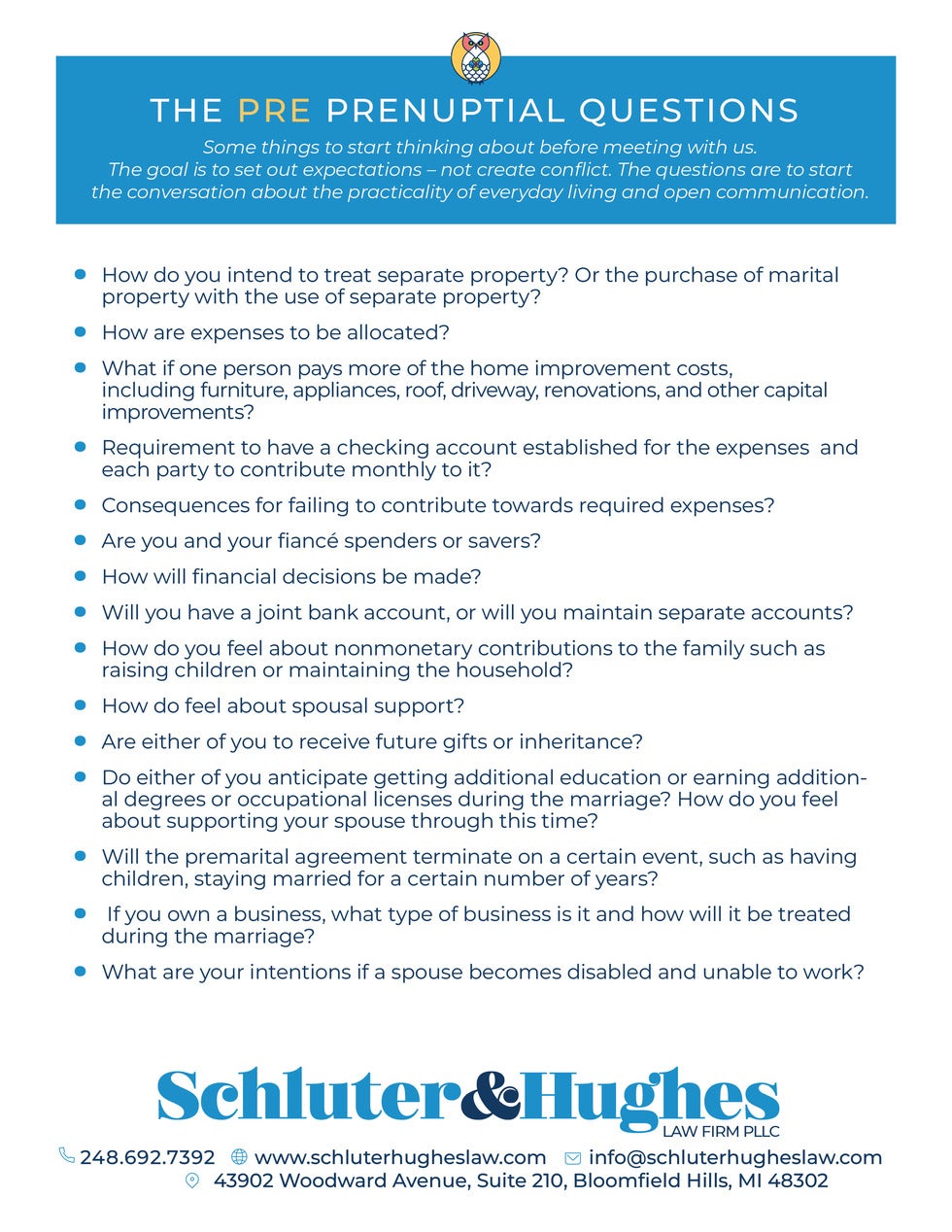
Our firm assists individuals with prenuptial agreements and estate planning strategies designed to protect what matters most while supporting healthy family communication during times of transition. We work closely with clients to create plans that reflect their values, preserve relationships, and provide long-term security for the people they love.
Our practice supports individuals as they prepare for marriage, combine assets, welcome new generations, or navigate changing family structures. Through prenuptial agreements and comprehensive estate planning, we help clients create clear, forward-looking plans that safeguard wealth, minimize uncertainty, and strengthen long-term family strategies.
Love & Law Why Millennial and Gen Z Couples Are Saying “Yes” to Prenuptial Agreements
Every Friday, we share answers to your FAQs.
"I am getting married this summer what are some of the legal things I need to do? I think I will be changing my name as well."
Getting married is exciting, but it's also one of the biggest legal and financial transitions you'll make. From an attorney's perspective, there are several important legal steps you should consider before and after the wedding, especially if you plan to change your name. Marriage is both a personal commitment and a legal partnership. Taking the time to organize financial, estate, and identity-related matters early can help avoid administrative headaches and legal complications later. If you have significant assets, children from a prior relationship, a business, or anticipated inheritances, consulting with an attorney before the wedding is especially advisable. Schluter & Hughes Law can help put your future plan in order.
Here is Hailey Burrell's list of Top 10 Things To Do.
Before the Wedding
1. Discuss Financial Expectations Openly
Have a candid conversation about:
- Income and debts
- Credit scores
- Student loans
- Spending habits
- Savings and investments
- Whether finances will be combined or kept separate
Marriage creates legal and financial rights and obligations, so transparency is important.
2. Consider a Prenuptial Agreement
A prenup is an option for all couples. It can:
- Protect premarital assets
- Clarify responsibility for debts
- Address business ownership
- Define how property would be divided in the event of divorce
- Protect inheritances or family assets
A prenup should be prepared well before the wedding with independent legal counsel for each party.
3. Obtain Your Marriage License
Requirements vary by state, but generally you will need:
- Government-issued identification
- Applicable fees
- Possible waiting periods
Be mindful of expiration dates on the license.
After the Wedding
4. Change Your Name (If Applicable)
If you plan to change your name, your certified marriage certificate will generally serve as the legal basis for the change.
Typical order for updating documents:
- Social Security Administration
- Driver's license or state ID
- Passport
- Employer/payroll records
- Bank accounts and credit cards
- Insurance policies
- Retirement accounts
- Professional licenses
- Voter registration
- TSA PreCheck/Global Entry
It is important that travel reservations match your current legal identification until all updates are complete.
5. Update Estate Planning Documents
Marriage often changes your legal rights automatically, but you should still update:
- Wills
- Trusts
- Powers of attorney
- Health care directives
- HIPAA authorizations
Without updated documents, state law and not your preferences may control certain decisions.
6. Review Beneficiary Designations
Beneficiary forms override a will in many cases. Review and update:
- Life insurance
- 401(k)s and IRAs
- Pension accounts
- Transfer-on-death accounts
Many people forget this step, which can create serious unintended consequences.
7. Review Insurance Coverage
You may want to:
- Add your spouse to health insurance
- Review auto coverage
- Consider umbrella liability insurance
- Evaluate whether life insurance is appropriate
8. Understand Property Ownership
Depending on your state, property acquired during marriage may become marital/community property regardless of whose name is on the account or title.
If purchasing a home together, discuss:
- How title will be held
- Contribution expectations
- What happens if one spouse contributes more
9. Revisit Tax Withholding and Filing Status
Marriage can affect:
- Tax brackets
- Withholding
- Eligibility for deductions and credits
You may wish to consult a CPA regarding “married filing jointly” versus “married filing separately.”
10. Update Employment and Emergency Contact Information
Make sure your employer has:
- Updated legal name
- Correct beneficiary information
- Emergency contacts
- Tax withholding forms